
 🛠️
📍
🌱
🏡
🌱
🌱
🌳
🌼
♻️
🛠️
📍
🌱
🏡
🌱
🌱
🌳
🌼
♻️
The Field, Berms, and Swales
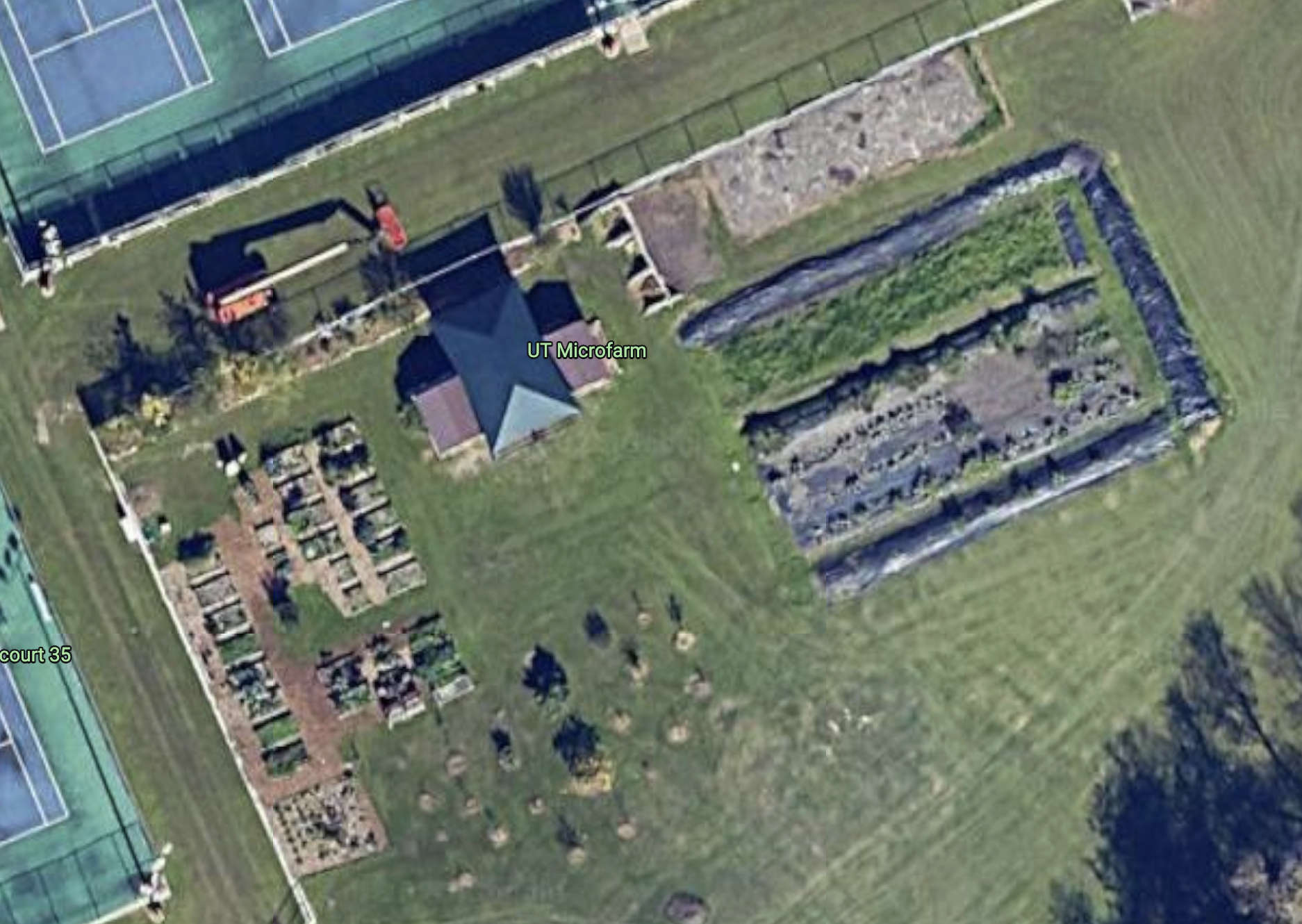
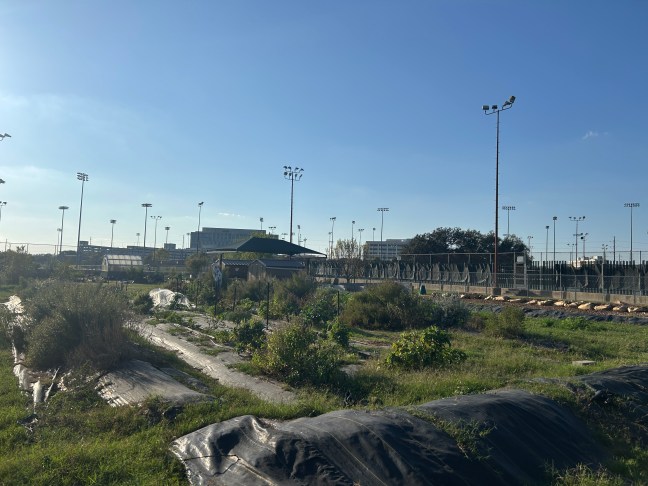
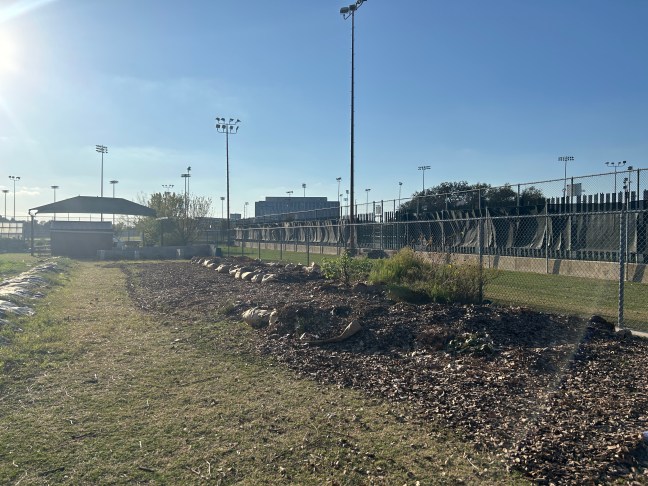
The field is split into two sections. Each section has 3 rows that are approximately 80 ft long and our crops are watered using drip line irrigation. To promote soil health, we alternate using each section for the fall and spring, and cover crop when not actively growing produce. Sandwiching each field is berms and swales that serve to slow down the flow of water to reduce erosion. Berms can be thought of as dirt mounds and swales as trenches. On the berms, we planted native shrubs that would need minimal water and provide pollinator benefits.
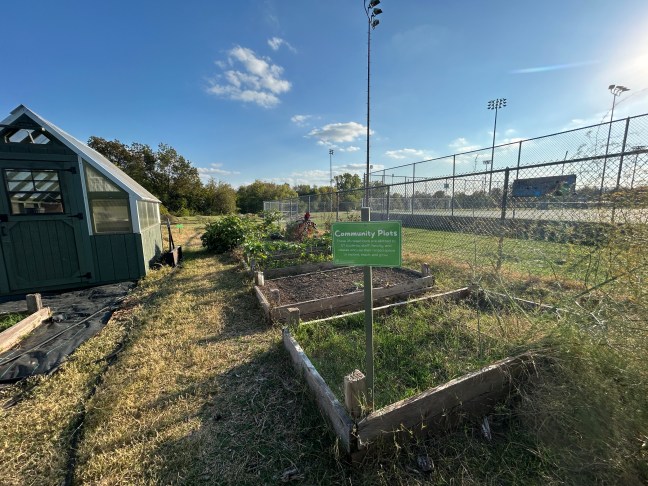
Community Gardens
We have 4×4 ft and 4×8 ft plots that we rent out to any UT faculty, student, and staff. One of our plots is being used by the Nutrition Course for their class.
Orchard
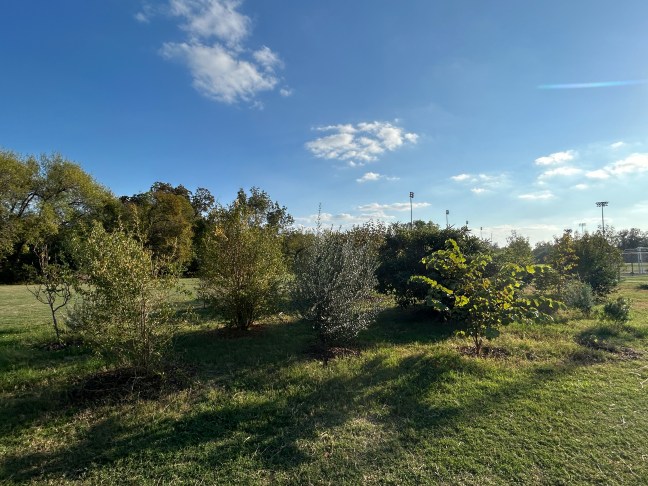
We currently have ~30 trees, with plans to transform this area into a food forest. Our fruit tree list includes loquat, pomegranate, fig, peach, olive, and mulberry. Our native tree list includes Texas persimmon, Texas kidneywood, Mexican buckeye, and Eastern redbud.
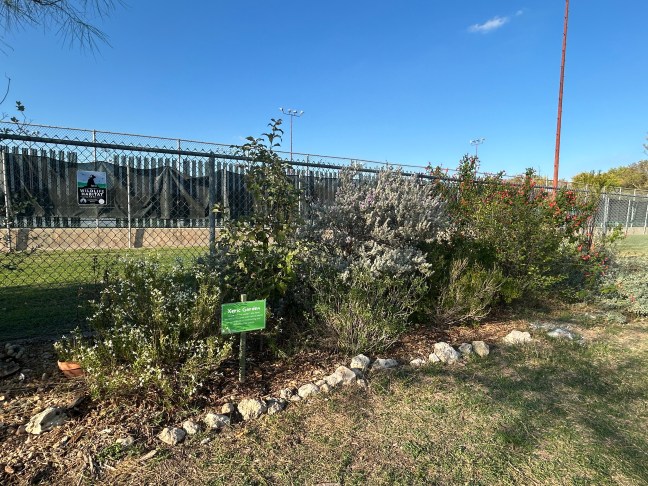
Xeric Garden
Along the fenceline, we planted native plants that require little minimal watering as well as pollinator and bird friendly plants. Some plants include Red Yucca, Salvias, Turk’s Cap, Coral Honeysuckle, and Gregg’s Mistflower.
Learning Garden
The main goal of this garden is to serve as an experimental space for educational purposes. Previously, it has been used as a dye garden, salsa garden, and three sisters garden.
Compost and Mulch Bays
The bays were built using cinder blocks and metal rods. We have six small bays that are used for composting at the farm from food waste drop offs by the UT community. Additionally, we have one large bay for soil and one large bay for mulch that we receive from UT Grounds and Landscaping.
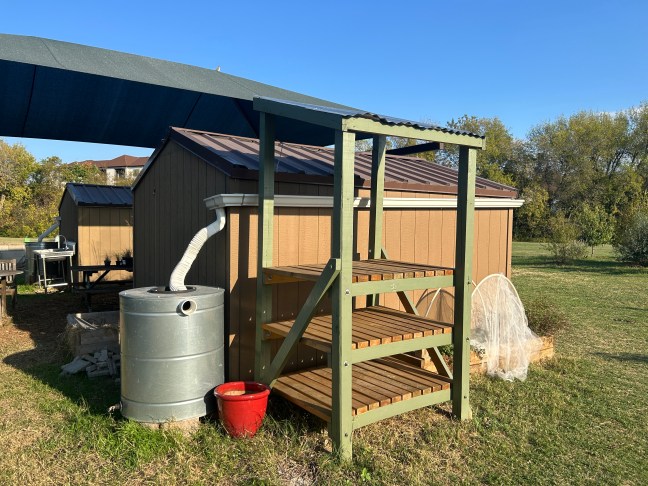
Rainwater Catchment
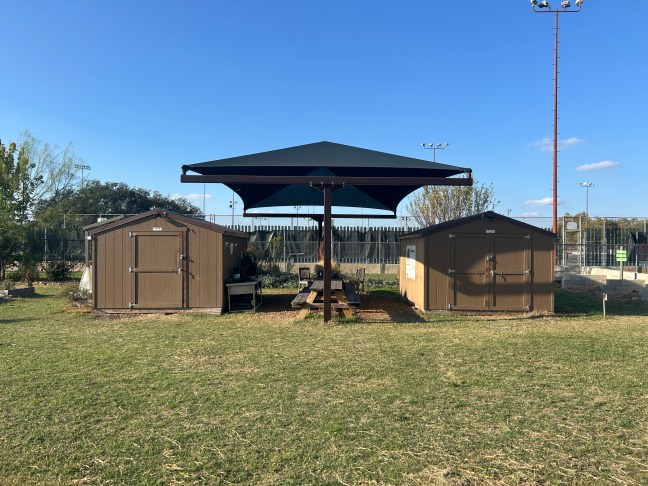
We have two rainwater catchment bins from Texas Metal Tanks that collects rainwater running down our sheds. Each can hold up to 90 gallons of water.

 Campus Environmental Center